What to look for
Signs you may need help
- Pigeons roost repeatedly on ledges or roofs
- Droppings accumulate beneath regular perches
- Nesting blocks gutters, signs or equipment
Melbourne pest services
Pigeon deterrent and exclusion enquiries for roofs, ledges, signs and commercial structures.
Tell us what you have noticed, where the activity occurs and anything that may affect access. We will use those details to help plan the next step.
What to look for
Our approach
Before the visit
Do not disturb active nests. Share access details and photographs taken safely from accessible areas.
Every property is different. Any treatment, access requirements and follow-up recommendations are discussed for the individual job before work proceeds.
Service information
The following is general educational information. Pest species, site conditions and suitable treatment methods vary, so property-specific recommendations should follow an inspection.
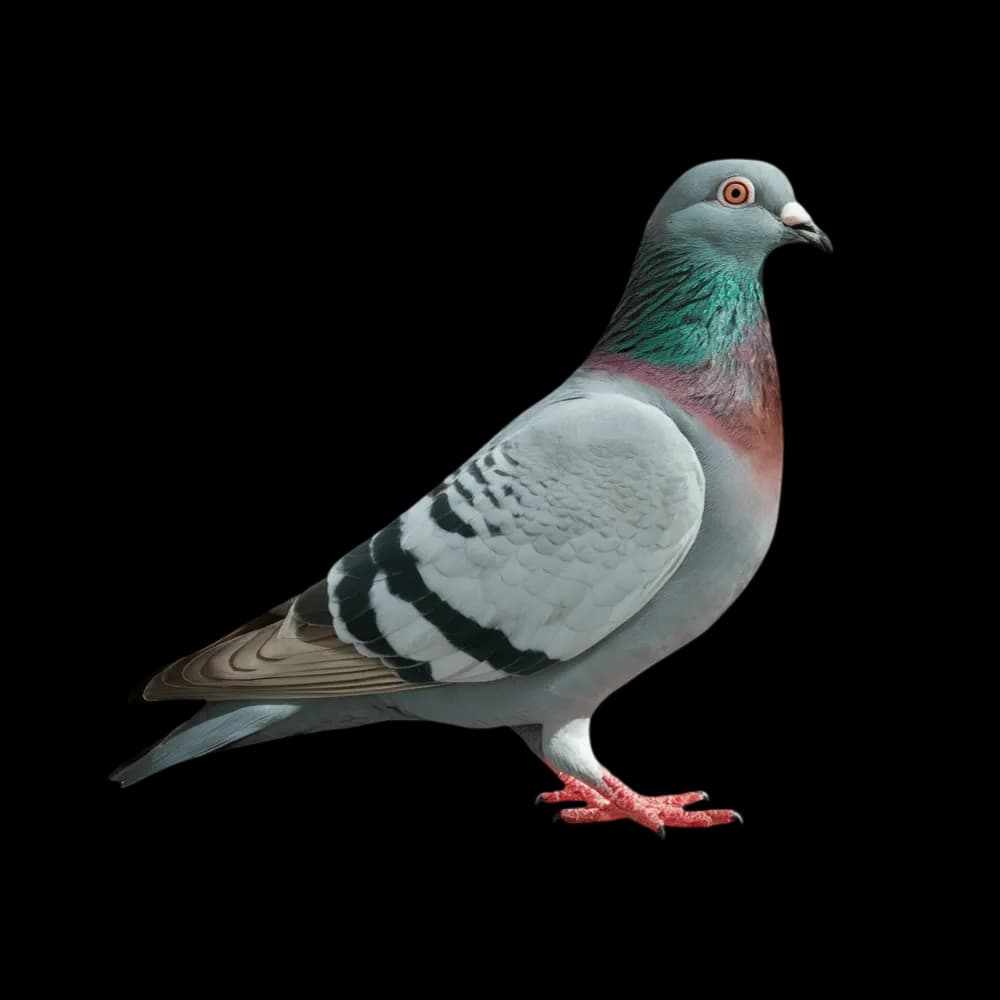
Pigeons do not migrate. They stay near their birth site (which may be your home).
Pigeons were first introduced as pets but have since adapted to city life and grown into one of the most common nuisance birds. Today, they thrive across Melbourne in places like businesses, schools, shopping centres, airports, stadiums, and historical landmarks. Wherever there is easy access to food and shelter, pigeons quickly gather and multiply. Their natural diet is mainly grains and fruit, but in urban areas, they survive on scraps and waste from humans, often seen scavenging in car parks and around fast-food outlets.
Pigeons live in flocks, feeding, roosting, and nesting together. They usually mate for life and, in the wild, can live up to 15 years. In cities like Melbourne, their lifespan is shorter, averaging around five years. The biggest problems arise where pigeons feed or rest, and these areas often need professional pigeon pest control solutions to reduce damage and health risks.
Pigeons can be extremely noisy and dirty. Once they have found a proper roosting and nesting place, they can become impossible to remove.
What many people do not realise is that pigeons carry health risks just as rodents and mice do; they are disease carriers.
Pigeons can be very disruptive and destructive, as well. They can bite and peck into wooden beams.
They also build nests in various areas which attract insects and pests. Pigeons are quite strong and determined and can dislodge roof shingles.
Their droppings defile outdoor areas of your home or commercial establishment and can also corrode the building material.
In industrial settings, these birds can cause damage to equipment and inventory stored in warehouses.
We first inspect the area and check bird nests then remove them carefully and block the areas where they could potentially enter. Implementing measures to prevent pigeons from accessing potential nesting or roosting sites in your building is essential. Successful bird control also includes removing food sources, reducing nesting and roosting spots, and installing bird-proofing systems on buildings. Trapping and removing smaller populations may be required, while larger flocks often need professional culling to stop them from gathering at food sources.
Depending on the situation, we may use spiking on ledges and building edges or bird netting to protect solar panels and rooftops. This complete approach ensures long-term and effective pigeon control Melbourne.
Pigeons can cause various issues, including attracting pests, damaging buildings with corrosive droppings, nesting in unwanted areas, blocking gutters and drains, damaging machinery, posing hygiene concerns, spreading disease and parasites, and increasing liability costs from slipping hazards.
Property owners may be unaware of a feral pigeon issue. Signs include a few pigeons frequenting the property and accumulation of droppings. Taking action to prevent roosting and nesting is crucial to avoid escalating costs. Pigeon-proofing measures can provide a long-term solution to the problem.
Common questions
Pigeons roost repeatedly on ledges or roofs; Droppings accumulate beneath regular perches; Nesting blocks gutters, signs or equipment. An inspection can help assess the activity and appropriate next steps.
Yes. Select up to five photos in the inspection form. They are uploaded securely when you submit your request.
No. It is a booking request. Your appointment is confirmed only after BugFather replies with availability and job details.
Request an inspection
Share the property, pest and preferred timing. You can also add photos to help explain the issue.
support@bugfatherpestcontrol.store