What to look for
Signs you may need help
- Ticks are found on people or pets
- Dense vegetation borders frequently used areas
- Wildlife or wandering animals visit the property
Melbourne pest services
Assessment and treatment planning for tick activity around yards, vegetation and pet-access areas.
Tell us what you have noticed, where the activity occurs and anything that may affect access. We will use those details to help plan the next step.
What to look for
Our approach
Before the visit
Keep children and pets away from suspected tick areas and seek veterinary or medical advice for attached ticks or symptoms.
Every property is different. Any treatment, access requirements and follow-up recommendations are discussed for the individual job before work proceeds.
Service information
The following is general educational information. Pest species, site conditions and suitable treatment methods vary, so property-specific recommendations should follow an inspection.
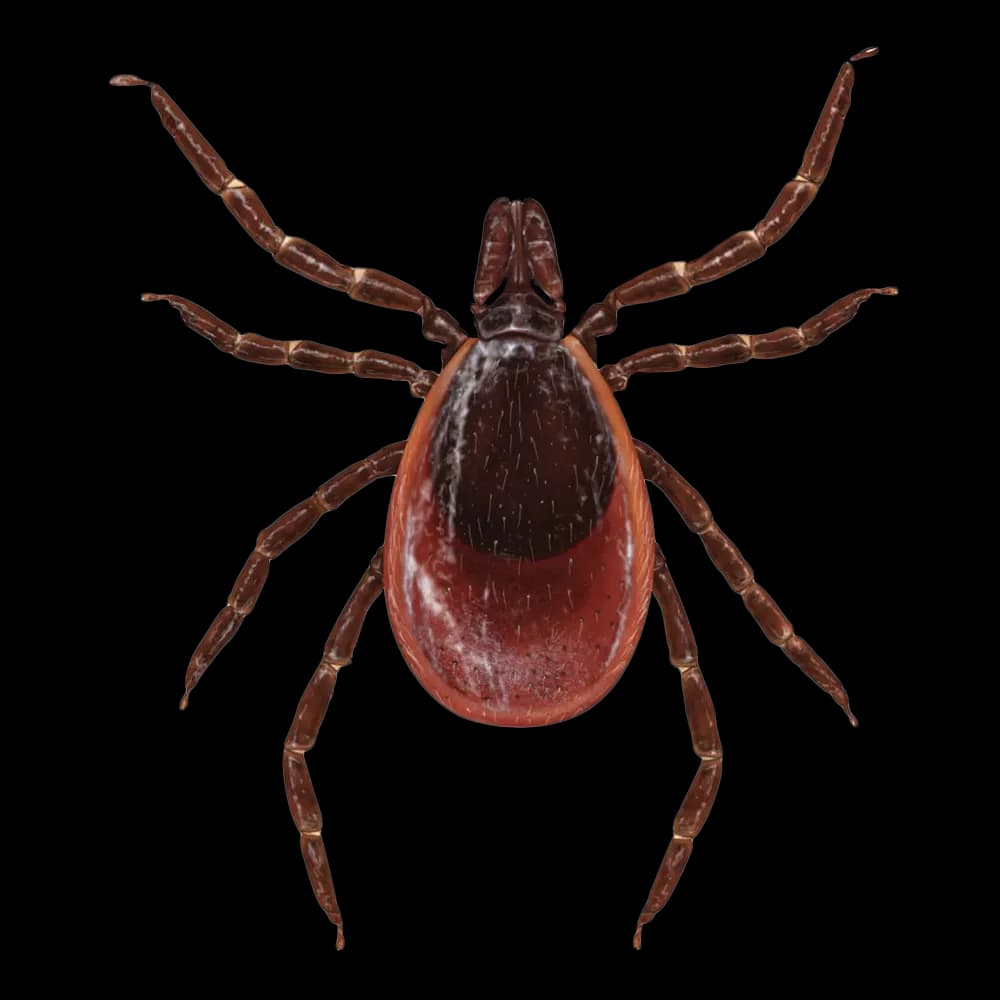
Ticks are small external parasites that feed on people and animals. They are usually associated with outdoor environments, but pets, wildlife, clothing and equipment can carry them closer to living areas. A useful pest-control assessment looks beyond the tick itself and considers the conditions supporting activity around the property.
The first step is to discuss where ticks were found, whether people or pets are affected, and which parts of the property are used most often. Accessible vegetation, shaded edges, animal resting areas, leaf litter and likely wildlife pathways can then be assessed.
The appropriate response depends on the site, the level of activity and the areas that can be treated safely. Where treatment is suitable, the proposed application areas, preparation, occupants, pets and re-entry requirements should be explained before work starts.
Keep lawns trimmed and remove heavy leaf litter from frequently used areas.
Thin dense ground-level vegetation where it creates cool, humid resting zones.
Check pets regularly and discuss appropriate tick prevention with a veterinarian.
Reduce rodent and wildlife attractants such as accessible food, water and sheltered nesting areas.
After walking through scrub or long grass, inspect clothing, equipment and exposed skin.
Ticks often favour humid, sheltered environments. Around a property, this can include mulch, leaf matter, garden borders, long grass, animal bedding and shaded areas used by pets or visiting wildlife. Adult ticks rely on a passing host for food and transport, which is why activity may occur even when a yard appears tidy.
Pets can bring ticks into the home, while people may carry them on shoes, clothing or outdoor equipment. Finding one tick does not by itself show the full extent or source of activity, so record where it was found and avoid making assumptions about treatment coverage.
Ticks encountered in Australia include paralysis ticks, brown dog ticks and several soft-tick species. Correct identification matters because their preferred hosts, habitats and management considerations differ. A pest controller can assess the property, while a veterinarian or medical professional should advise on an attached tick, symptoms or health concerns.
Treating only the spot where a tick was noticed can miss sheltered habitat, host pathways and other life stages. Product labels also differ in their approved uses and directions. Never apply a pesticide to people or animals unless it is specifically intended for that purpose and follow professional medical or veterinary guidance.
Property pest control may include inspection, treatment of agreed areas and practical recommendations for reducing favourable habitat. It does not replace veterinary care, medical assessment, wildlife management or building and landscaping repairs. Where another trade or professional is needed, that should be identified separately.
Some tick bites cause little more than local irritation, while others can be associated with allergic reactions, illness or paralysis. If a person develops concerning symptoms, seek prompt medical advice. For an affected animal, contact a veterinarian. Call emergency services for a severe or rapidly developing reaction.
Ticks move between life stages by finding suitable hosts and sheltered habitat. Pets, rodents, possums and other wildlife can contribute to movement around a property. Dense vegetation and organic ground cover may provide favourable conditions between hosts.
Common questions
Ticks are found on people or pets; Dense vegetation borders frequently used areas; Wildlife or wandering animals visit the property. An inspection can help assess the activity and appropriate next steps.
Yes. Select up to five photos in the inspection form. They are uploaded securely when you submit your request.
No. It is a booking request. Your appointment is confirmed only after BugFather replies with availability and job details.
Request an inspection
Share the property, pest and preferred timing. You can also add photos to help explain the issue.
support@bugfatherpestcontrol.store