
What to look for
Signs you may need help
- A new build requires termite-management planning
- An extension changes the building footprint
- Plans specify a physical or chemical barrier system
Melbourne pest services
Pre-construction termite-management enquiries coordinated around plans, building stages and site requirements.
Tell us what you have noticed, where the activity occurs and anything that may affect access. We will use those details to help plan the next step.
What to look for
Our approach
Before the visit
Provide current plans, builder contact details, site schedule and any termite-management specifications.
Every property is different. Any treatment, access requirements and follow-up recommendations are discussed for the individual job before work proceeds.
Service information
The following is general educational information. Pest species, site conditions and suitable treatment methods vary, so property-specific recommendations should follow an inspection.
Termite protection is mandatory to receive your final occupancy certificate.
In mainland Australia, termites are active in most areas, and independent surveys indicate that around 150,000 homes will fall victim to termite attacks each year. Unfortunately, the average cost of termite damage amounts to $15,000. However, it's important to note that termite damage is typically not covered by home and contents insurance policies. Insurance companies often exclude damage caused by vermin, and termites fall under this category. The high risk and cost associated with termite damage are the primary reasons for this exclusion.
AS 3660.1 establishes the guidelines for designing and constructing subterranean termite management systems for new buildings and building works. These measures are essential to safeguard against termite infestations. As part of the building contract, builders are obligated to incorporate an approved form of termite protection. The primary goal of these termite barriers is to prevent concealed termite access from the ground, ensuring the long-term protection of the structure from potential termite damage.
Termites are silent destroyers, capable of causing extensive and expensive damage to Australian homes. With the country’s warm, humid climate creating the perfect breeding ground, infestations can spread quickly, often unnoticed until significant structural harm has already occurred. Without the right protection, your home could become their next target.
One of the most effective defences against termites is installing termite barriers. These barriers—either physical or chemical—are strategically placed around a building’s perimeter to block entry. Designed to repel or eliminate termites before they reach the structure, they provide long-term protection and invaluable peace of mind for homeowners.
Termite barriers play a crucial role in keeping properties termite-free. By preventing hidden termite entry, they serve as an essential component of any pest control strategy. Beyond their effectiveness, they offer a cost-efficient, long-lasting solution that requires minimal maintenance. Their straightforward installation process makes them an appealing choice for homeowners and builders seeking reliable termite protection.
A major advantage of termite barriers is their flexibility—they can be installed at any stage, including during construction. By integrating them from the start, homeowners and builders ensure that the property is safeguarded from day one, reducing the risk of infestations and avoiding expensive repairs in the future.
Preconstruction termite barrier installation is a crucial step in safeguarding a building from potential termite infestations. The process involves several stages to ensure effective protection against these destructive pests.
The first step is carried out prior to the concrete slab pour. During this phase, pipe penetration collars will be installed. These collars act as protective barriers around pipes and utility openings in the foundation, preventing termites from gaining access through these vulnerable points. This initial measure is essential to create a solid foundation for the subsequent termite barrier installation.
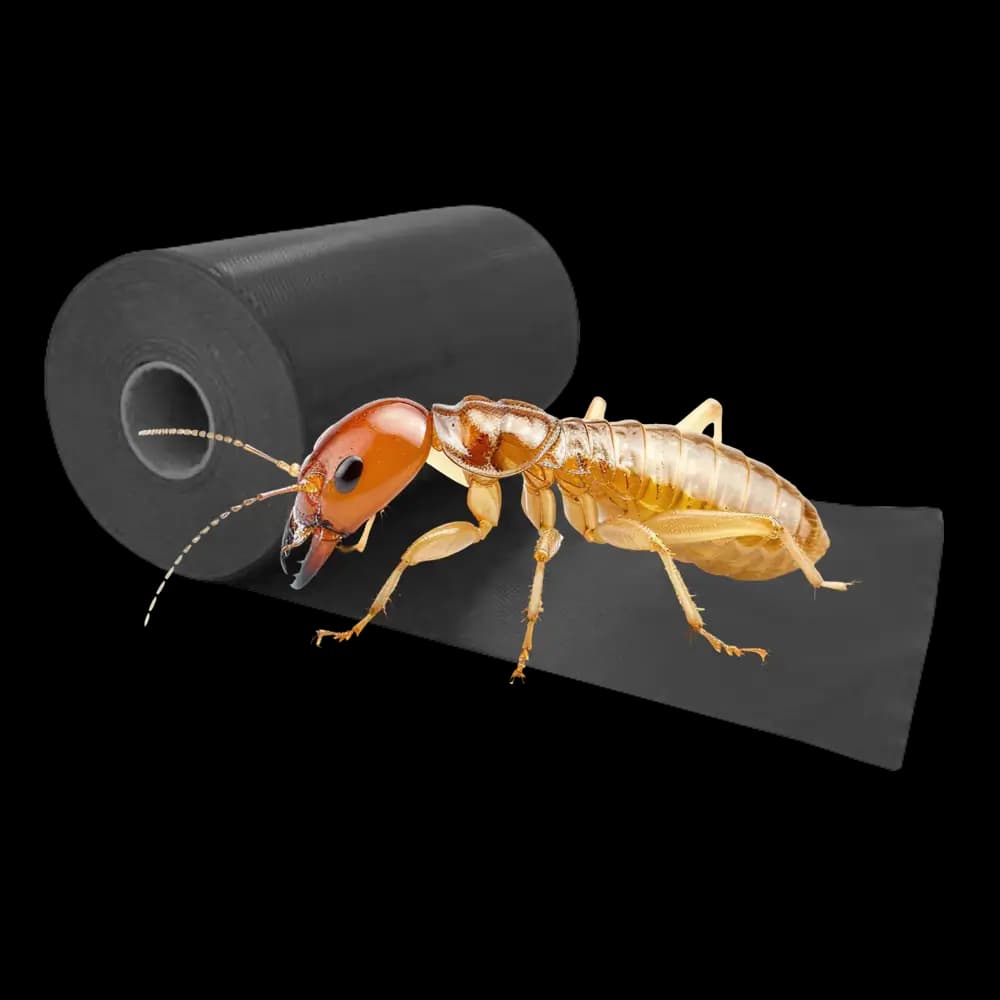
After the completion of the slab pour and external drainage work, our Australian made termite barrier is installed on the slab. The barrier offers a highly effective triple-layer sheet barrier which uses a combination of physical and chemical properties to ensure termites are repelled into an inspection zone.
Having obtained the certification, the property owner can then submit it to the local council as part of the documentation required to receive the final occupation certificate. The final occupation certificate signifies that the building complies with all relevant regulations and can be legally occupied. It also provides peace of mind to the occupants, knowing that their property is safeguarded against the potentially devastating effects of termite infestations.
Yes. Under building regulations, your new home must be fitted with a termite management system or be built with termite resistant structural materials.
A properly installed physical barrier, in coordination with construction elements, aims to block hidden termite access to homes. Termites would need to reveal themselves to overcome the barrier, making them detectable during routine annual termite inspections, mandatory to meet Australian Standards.
Common questions
A new build requires termite-management planning; An extension changes the building footprint; Plans specify a physical or chemical barrier system. An inspection can help assess the activity and appropriate next steps.
Yes. Select up to five photos in the inspection form. They are uploaded securely when you submit your request.
No. It is a booking request. Your appointment is confirmed only after BugFather replies with availability and job details.
Request an inspection
Share the property, pest and preferred timing. You can also add photos to help explain the issue.
support@bugfatherpestcontrol.store